

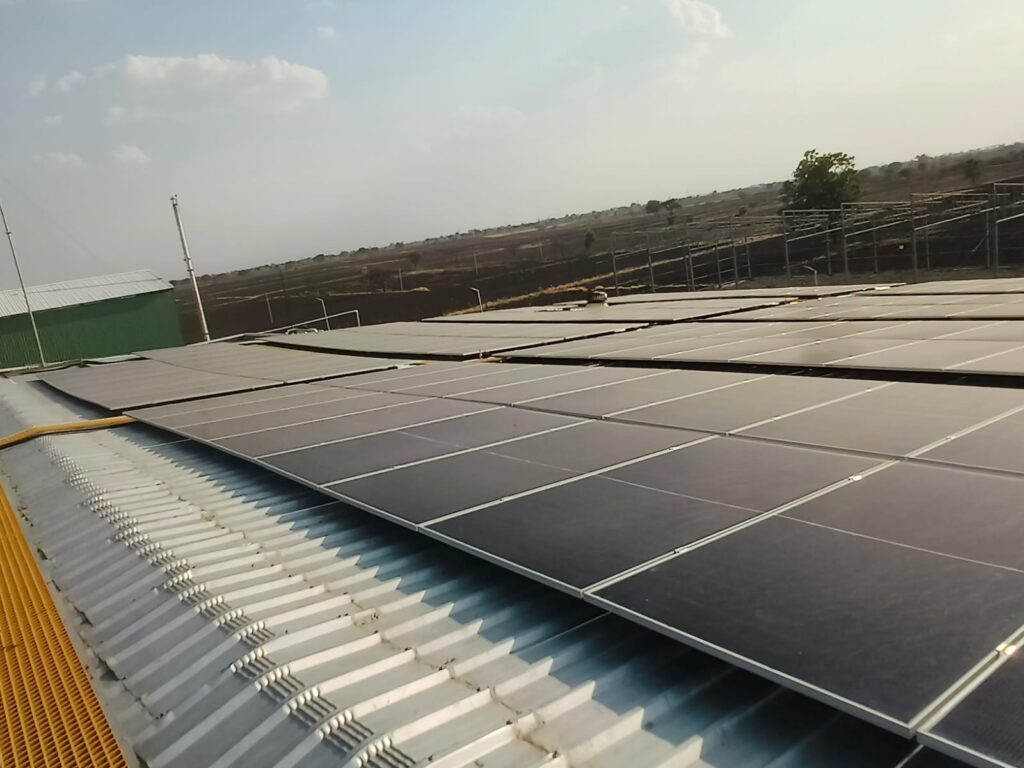
Solar saves money, but it’s not a “one-line guarantee.” Your savings depend on how you use electricity, how well the system is designed, and whether your installation is safe and efficient. If someone promises “zero bill for everyone,” that’s a sales line—not a reality check.
Important description:
Solar is not magic. It’s math + good design + good habits.
What increases savings (real, practical factors)
1) Using more power in daytime
Points:
- Daytime usage gives the best benefit because solar power is available then
- Best loads to shift to daytime: AC (if possible), washing machine, ironing, water pumping, cooking where possible
- More daytime use = less grid import = better savings
2) Correct system size matched to your bill
Points:
- सही kW sizing avoids under-install (still high bill) and over-install (slow payback)
- Sizing should match your average monthly units and roof space
- A well-sized system gives predictable savings
3) Net metering credits (when you export extra power)
Points:
- If your system produces extra units during the day, net metering can credit exports
- These credits can reduce your billed units later (as per billing cycle rules)
- Net metering is a big part of savings for homes that export surplus
4) Clean panels + low shade
Points:
- Dust and bird droppings reduce output
- Shade reduces generation sharply even if shade is “small”
- Clean roof layout + regular cleaning = stable generation
What reduces savings (common reasons people feel disappointed)
1) Night-heavy usage only
Points:
- If most of your electricity use is at night, solar can’t directly power it
- Without batteries, you’ll still import from grid at night
- Solution: shift flexible loads to daytime where possible
2) Heavy shade
Points:
- Tank/trees/buildings shade can cut daily generation significantly
- Seasonal shade appears in winter because sun angle changes
- Shade issues are design problems, not “solar problem”
3) Poor installation quality
Points:
- Wrong wiring, weak connections, missing protections
- Low-quality inverter selection or wrong sizing
- Poor structure layout causing self-shadow
Result: lower output + more downtime = lower savings
A simple way to understand savings (without complicated math)
Think of solar savings as:
Points:
- Units you don’t buy from grid (because solar powered them)
- Credits for exported units (if net metering is active)
- – Losses due to dust, shade, downtime
So savings = generation + good usage habits + proper approvals.
Quick reality checklist before you believe any “savings promise”
Points:
- Did they check your bill units (kWh), not only bill amount?
- Did they check roof shade and space?
- Did they explain realistic monthly generation range?
- Did they mention net metering process and timeline?
- Did they explain what you should run in daytime to save more?
If they skipped these, the savings promise is not reliable.
Get a realistic savings estimate from your bill. Share your monthly units (kWh) + bill amount + one roof photo, and get a practical estimate based on your usage pattern—no fake promises, only real numbers.